
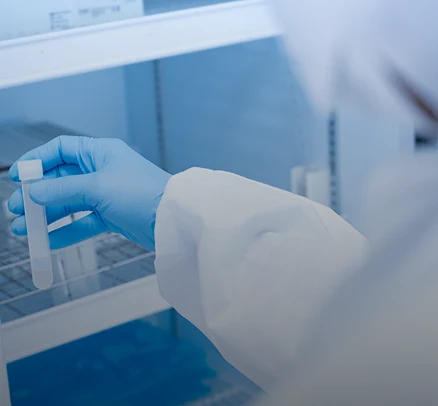
Aseptic technique is the set of habits that keep contamination out of your materials. It is less about expensive equipment and more about consistent, disciplined movements.
Prepare the space
Work on a clean, uncluttered bench away from draughts and foot traffic. Assemble everything you need before you begin so you are not reaching across open vials mid-task.
Sanitise contact points
Wipe every stopper with alcohol and let it dry. Alcohol needs a few seconds of contact and evaporation to be effective — do not wipe and immediately puncture.
Protect the critical surfaces
The needle tip, the syringe hub and the inside of any cap are critical surfaces. Never let them touch skin, bench, or clothing. If a needle touches a non-sterile surface, replace it.
Minimise open time
The longer a vial is open, the greater the exposure. Draw what you need and re-seal promptly.
Document as you go
Note lot numbers, reconstitution dates and volumes at the moment you perform them, not from memory afterwards. Reproducibility begins with accurate records.
Research use only.